In December 2022, Cristiano Ronaldo walked out in front of a packed Mrsool Park in Riyadh wearing an Al Nassr shirt, days after leaving Manchester United by mutual consent. At the time it looked like a highly paid retirement tour for a 37-year-old superstar. Within a year, the Saudi Pro League had signed Neymar, Karim Benzema, N’Golo Kante, and dozens more established internationals, backed by state money on a scale European football had never had to compete with before.
Key Takeaways
- The Saudi Pro League, founded in 2008, transformed almost overnight after Cristiano Ronaldo’s December 2022 move to Al Nassr.
- In 2023, Saudi Arabia’s Public Investment Fund took majority stakes in four of the league’s biggest clubs, Al Hilal, Al Nassr, Al Ittihad, and Al Ahli.
- Saudi Arabia was confirmed as host of the 2034 World Cup in an uncontested FIFA vote in December 2024.
- By 2026, the spending strategy had shifted from ageing superstars toward younger players with resale value, and PIF began selling down some of its club stakes.
- The league’s wage spending forced European clubs to rethink what it takes to keep hold of players in their thirties.
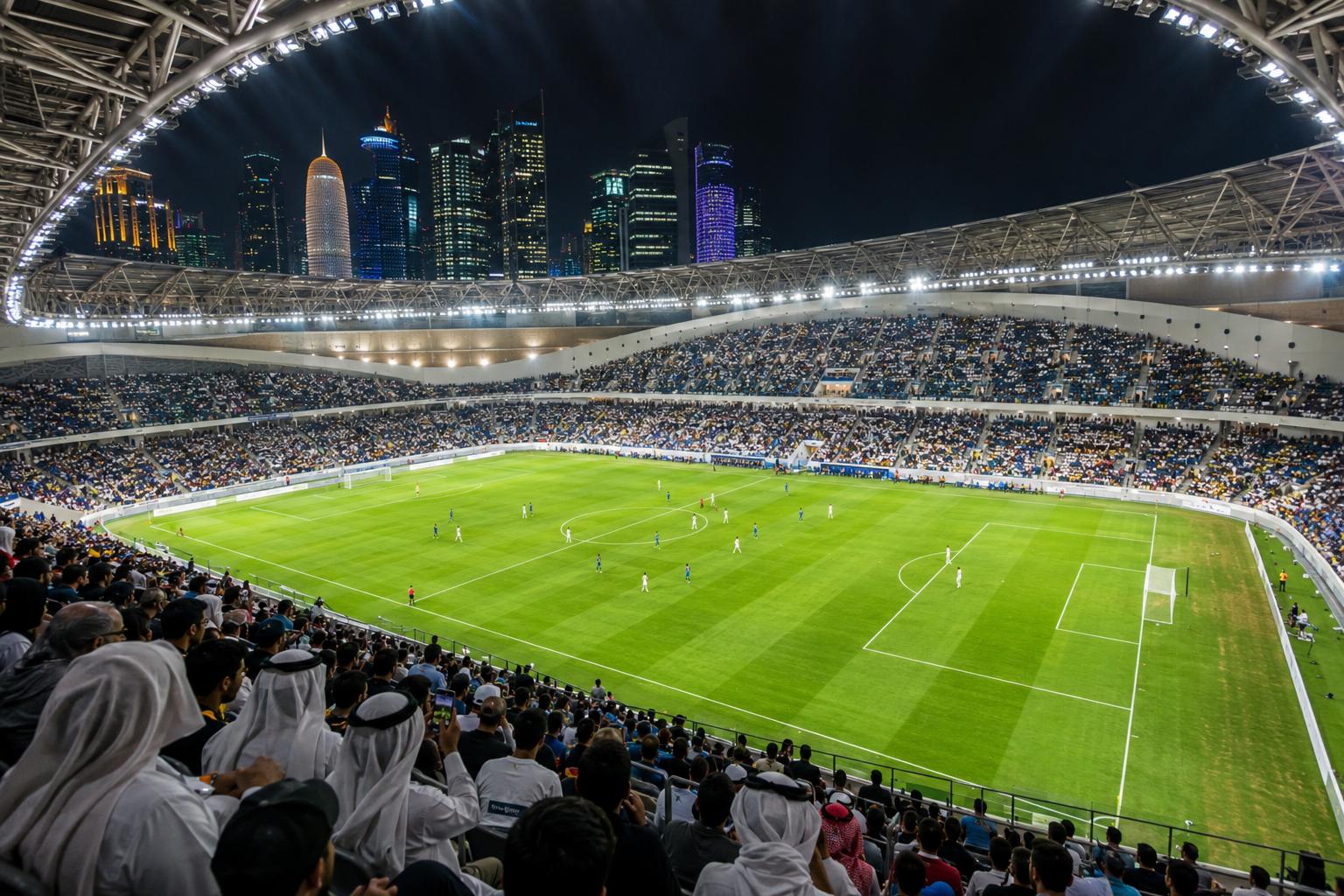
From Regional League to Global Disruptor
The Saudi Pro League has existed since 2008, playing a fairly ordinary domestic role in Gulf football for most of its history. That changed in the summer of 2023, when the Public Investment Fund, Saudi Arabia’s sovereign wealth fund, took majority ownership stakes in Al Hilal, Al Nassr, Al Ittihad, and Al Ahli, the country’s four most successful clubs.
That single decision turned four separate transfer budgets into one coordinated recruitment strategy, and the league went shopping accordingly. Ronaldo’s arrival had already put Saudi football on the map. The PIF takeover gave it the financial firepower to follow through.
The Spending That Broke the Market
Neymar’s move to Al Hilal from Paris Saint-Germain alone cost around 90 million euros in transfer fees, on top of a contract package reportedly comparable to the 200 million euros a year Ronaldo was earning at Al Nassr. He tore his ACL a few months into the deal and played just seven matches that season, a stark illustration of how far ahead of on-pitch return the spending had run.
Karim Benzema’s switch to Al Ittihad, N’Golo Kante’s move to the same club, and a wave of Premier League and Serie A regulars following them turned the 2023 summer transfer window into a genuine market disruption. Wages that no European club would consider paying for players in their late twenties and thirties suddenly became normal in Riyadh and Jeddah.
The effect rippled outward. European clubs found themselves negotiating contract extensions and transfer fees against a benchmark that had not existed twelve months earlier, and players approaching the back end of their careers gained genuine leverage they had never had before, simply because a credible alternative destination now existed.
A World Cup Is Coming
The spending was never just about football. Saudi Arabia was confirmed as host of the 2034 World Cup in an uncontested FIFA vote in December 2024, part of a broader Vision 2030 strategy to use sport as a tool for economic diversification and international visibility. A competitive, star-studded domestic league fits neatly alongside stadium construction and infrastructure spending as part of that same pitch.
For Saudi football specifically, hosting the World Cup gives the domestic investment a natural endpoint: a national team and a football culture the country wants visibly strengthened by the time the tournament arrives. A domestic league full of experienced internationals training and playing alongside young Saudi players is, at least in theory, part of how that gap gets closed over the next decade.
The League After the Spending Spree
By 2026, the strategy had already started shifting. Rather than continuing to chase the biggest available names, clubs began targeting younger players with genuine resale value, and PIF started reducing some of its direct club holdings, including selling a majority stake in Al Hilal to a private investment group in April 2026. Ronaldo himself has suggested 2026-27 could be his final season, which would remove the one signing that started all of this in the first place.
That shift looks less like retreat and more like a league growing up. The first wave of signings bought attention. What comes next has to build something that lasts past any single player’s contract, a genuinely competitive domestic product with its own identity rather than a retirement circuit for European stars.
None of that walks back what already happened. The Saudi Pro League forced European football to treat Gulf money as a genuine competitor for players rather than a novelty, and with a home World Cup on the calendar, the league has every incentive to keep building rather than retreat.