On 2 February 2007, a Sicilian derby between Catania and Palermo ended with police officer Filippo Raciti dead outside the stadium, killed by blunt trauma during clashes with Catania fans. Italian football shut down for a week, and Catania played the rest of the season with no fans allowed inside their own ground. It is the darkest single chapter in ultras history, and it sits alongside a culture that also produces some of the most spectacular scenes in football. Understanding ultras means holding both of those truths at once.
Key Takeaways
- Ultras culture began in Italy, with the term first used by Sampdoria and Torino fan groups in 1969, though organised supporter groups existed earlier.
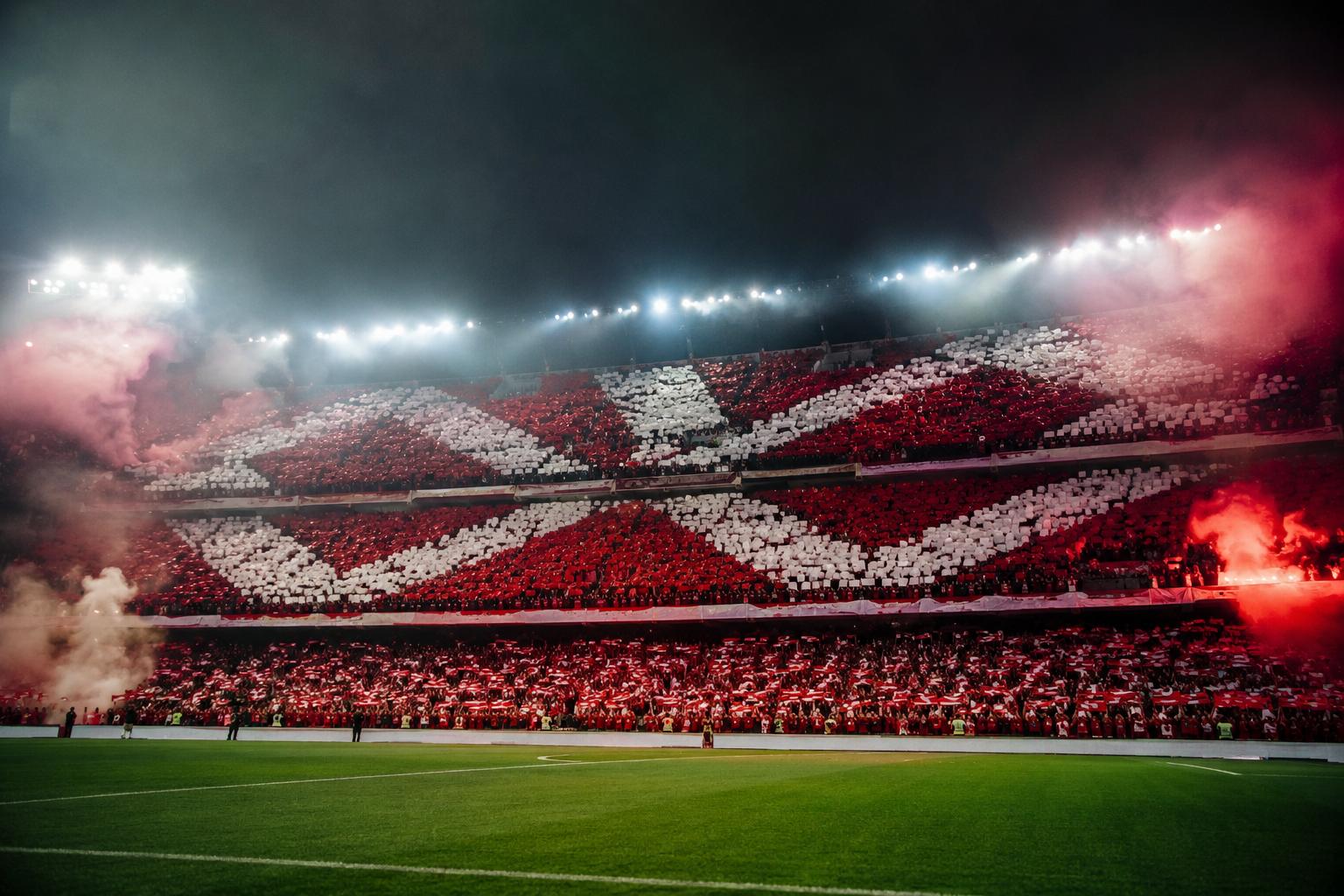
- Tifo choreography, coordinated flags, banners, and card displays, is the movement’s signature contribution to matchday atmosphere.
- Ultras groups differ from English-style hooligan firms because their stated focus is supporting their own club, not fighting rival fans, though the line has blurred badly at times.
- Political extremism, both far-right and far-left, has attached itself to ultras groups in several countries, most visibly in Italy.
- The 2007 death of a police officer at a Catania derby led directly to Italy’s Tessera del Tifoso fan ID scheme and a ban on flares and fireworks inside stadiums.
Where Ultras Culture Began
The word “ultras” was first adopted in 1969 by organised fan groups at Sampdoria and Torino, though Italian clubs had semi-organised supporter groups going back decades earlier. What made the ultras movement different was structure: dedicated sections of the stadium, capos leading chants with megaphones, and groups that treated matchday atmosphere as something to be actively produced rather than left to chance.
By the 1970s, groups like AC Milan’s Fossa dei Leoni and Inter’s Boys San had turned Italian curvas into the model the rest of the world would eventually copy, long before the internet made it easy to see what other countries’ fans were doing.
What Ultras Actually Do
The core of ultras culture is tifo, coordinated displays built from flags, banners, and thousands of coloured cards held up in sequence to form a single image across an entire stand. The best tifo displays take weeks to plan and cost groups real money, funded through merchandise sales rather than club backing.
Chanting is led rather than spontaneous, with a capo standing facing the crowd, back to the pitch, conducting songs through a megaphone for the full ninety minutes regardless of the score. Songs are passed down and rewritten over generations, so a chant heard today might trace its melody back decades, long after the original lyrics stopped making sense to anyone outside the group.
Flares and smoke bombs remain part of the aesthetic in much of Europe and South America, even though they are banned in most stadiums on safety grounds, including English ones since the 1980s. Clubs occasionally get fined by their own football associations when a group sets them off anyway, a cost some ultras groups treat as simply part of doing business.
The Politics Problem
Ultras groups have never been politically neutral as a whole. In Italy, fascist symbolism became common in some curvas through the 1970s, and Lazio’s ultras in particular developed a well-documented association with far-right politics. Other groups, including sections of Livorno’s support, lean the opposite way and treat their politics as openly left-wing.
That political dimension is part of why ultras culture is harder to defend uncritically than its supporters sometimes suggest. The same organisational structure that produces a beautiful tifo display can also organise a march, a boycott, or worse, and clubs have limited power to control which direction any given group takes.
How Ultras Culture Differs Around the World
Italy remains the movement’s spiritual home, but the culture looks different depending on where you find it. Germany’s ultras scenes are large, numbering more than 300 organised groups, and have become genuinely political in a different sense, campaigning hard against ticket prices and kickoff times moved for television.
In South America, Argentina’s barras bravas trace back to the 1950s and were, unlike most European ultras groups, built around organised violence from the start, with documented links to club finances and organised crime that go well beyond matchday atmosphere. England took the longest to develop a comparable ultras scene, partly because of its own hooligan history and partly because all-seater stadiums and strict flare bans made Italian-style displays difficult, though groups like Crystal Palace’s Holmesdale Fanatics have built a genuine ultras culture within those constraints since the 2010s.
Passion With an Asterisk
Strip away the worst incidents and ultras culture has genuinely changed what a football crowd can look like, turning ordinary stands into something closer to theatre. But the same intensity that produces a stunning tifo can tip into the kind of violence that killed Filippo Raciti in 2007, and no amount of good choreography cancels that history out. Both sides of ultras culture are real, and neither one is the whole story.