Since 2003, Palmeiras, Corinthians, Vasco da Gama, Botafogo, and Cruzeiro have all spent at least one season playing in Serie B, Brazil’s second tier. Between them, those five clubs have won well over 30 Brazilian league titles across their history. None of that pedigree bought them immunity from relegation, and none of it stopped their fans from filling stadiums for second-division football anyway. Serie B is not a lesser version of Brazilian football. It is where some of the country’s biggest institutions occasionally have to prove themselves all over again.
Key Takeaways
- Serie B was founded in 1971 but was not contested at all in several years during the 1970s, 80s, and 90s before settling into its current format in 2006.
- The competition now runs 20 clubs through a double round-robin season, with the top four promoted and the bottom four relegated.
- Palmeiras, Corinthians, Vasco da Gama, Botafogo, and Cruzeiro have all won Serie B and been promoted back to the top flight this century.
- Coritiba, a club without the same national trophy cabinet as those giants, holds the actual Serie B title record with three championships, most recently in 2025.
- Crowds barely shrink when a big club drops down, which is exactly why Serie B remains genuinely watchable rather than a competition to ignore.
A Division Built on Instability
Serie B has existed since 1971, but its early decades were chaotic even by Brazilian football’s standards. The competition simply was not held at all in several years, including most of the mid-to-late 1970s, 1986, 1987, 1993, and 2000, as Brazil’s domestic football calendar went through repeated restructuring.
The format finally settled in 2006, and has stayed consistent since: 20 clubs, a full double round-robin season of 38 matches, with the top four earning promotion to Serie A and the bottom four dropping to Serie C. That stability has made Serie B a genuinely competitive, closely watched league in its own right rather than a footnote to the top flight.
A 38-match season also means very little gets decided early. Promotion and relegation races in Brazil regularly go down to the final weekend, with three or four clubs still fighting for the same spot, which keeps the division relevant to neutral fans long after any big-name club involved that season has either gone up or been eliminated from contention.
Where the Giants Have Fallen
Some of Brazilian football’s biggest names have needed Serie B to get back to where they belong. Palmeiras won the second tier in both 2003 and 2013, Corinthians won it in 2008, Vasco da Gama won it in 2009, Botafogo won it twice, in 2015 and 2021, and Cruzeiro, a club with multiple national titles and a Ronaldo connection that still draws global attention, won it again as recently as 2022.
Each relegation was treated as a genuine crisis by that club’s fans at the time, and each promotion back up was celebrated like a trophy in its own right. That intensity is part of what keeps Serie B relevant even in seasons when none of Brazil’s household names are actually playing in it.
Coritiba: The Real Serie B Royalty
For all the attention the fallen giants get, the club with the best actual record in Serie B history is Coritiba, a side without anything close to the trophy cabinet of Palmeiras or Corinthians at the very top level. Coritiba have won the second tier three times, in 2007, 2010, and again in 2025, more than any of the bigger names that occasionally pass through.
That gap between Serie B success and Serie A pedigree says something important about the division: it rewards clubs built for exactly this level of competition, not just former giants passing through on their way back up. Coritiba’s model, built on patient squad building rather than the kind of spending that top-flight giants can fall back on, is arguably a better guide to actually winning Serie B than anything a relegated household name brings with it.
Why Serie B Crowds Never Shrink
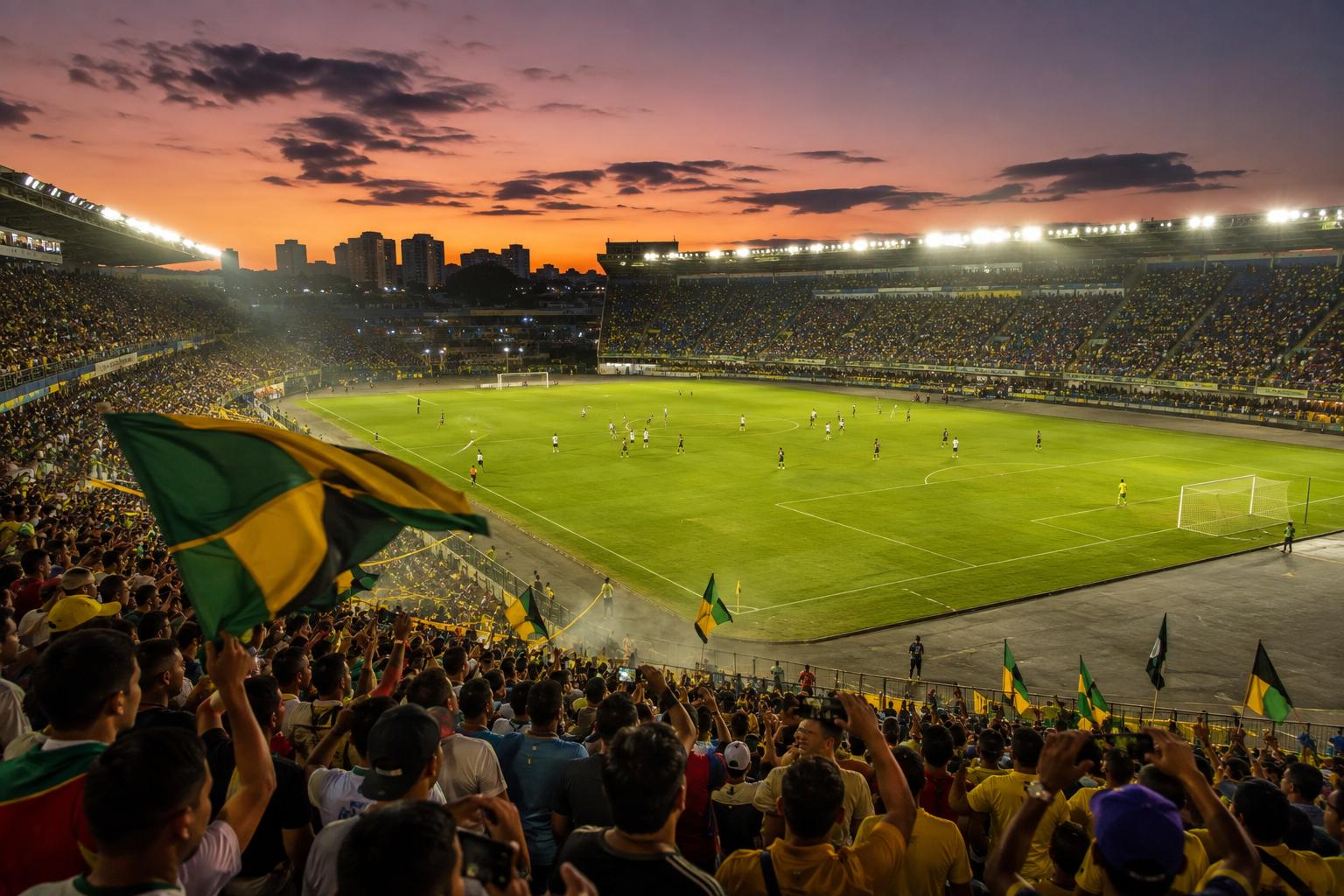
Brazilian football culture does not treat the second tier as beneath serious support. Even in seasons without a Palmeiras or a Cruzeiro involved, Serie B fixtures regularly draw crowds that would be considered strong attendances in plenty of countries’ top flights, because the clubs themselves, giants and long-time Serie B regulars alike, come with fan bases built over decades rather than seasons.
That is the real case for paying attention to Brazilian football beyond the obvious names. Serie B is not a waiting room for the famous clubs stuck there temporarily. It is a genuinely competitive league that happens to occasionally host some of the biggest institutions in South American football.